
Permanent Supportive Housing: A Proven Path Out of Homelessness
Homelessness is often discussed as a single issue, but for many individuals—particularly those living with serious mental illness—the path to stability involves several stages of support. Housing programs are designed to meet people where they are, helping them move from crisis to stability and ultimately toward independence. Across communities, three housing models often play a key role in this journey: chronic homelessness intervention, supportive transitional housing, and permanent supportive housing. Each serves a distinct purpose, working together as part of a broader system of care.

Chronic Homelessness
Individuals experiencing chronic homelessness often face complex challenges, including untreated mental illness, lack of income, and limited access to consistent care. Without stable housing or a support network, it can be extremely difficult to access services, maintain treatment, or build a pathway toward recovery. For many, the first step toward change begins with access to a safe place to live and a system that provides coordinated support.
Supportive Transitional Housing
Supportive transitional housing offers individuals a temporary but stable living environment while they work toward greater independence. These programs combine housing with structured support services such as behavioral health care, life-skills development, and employment assistance. The goal of transitional housing is to provide a bridge—helping individuals rebuild routines, develop stability, and prepare for more permanent housing solutions.
Permanent Supportive Housing
Permanent supportive housing provides long-term housing combined with ongoing support services for individuals who need continued assistance to live independently. Residents have a stable home while receiving access to mental health care, case management, and community resources that help maintain wellness and independence. Permanent supportive housing is not transitional—it is a stable home with no expiration date for individuals who need ongoing support.
Research consistently shows that permanent supportive housing is one of the most effective approaches to addressing chronic homelessness, especially for individuals living with serious mental illness. By providing both housing and support services, individuals are able to focus on recovery, health, and rebuilding their lives. Outcomes often include high housing stability rates, reduced ER visits and hospitalizations, and lower public costs compared to crisis systems.
The Dave’s House Model
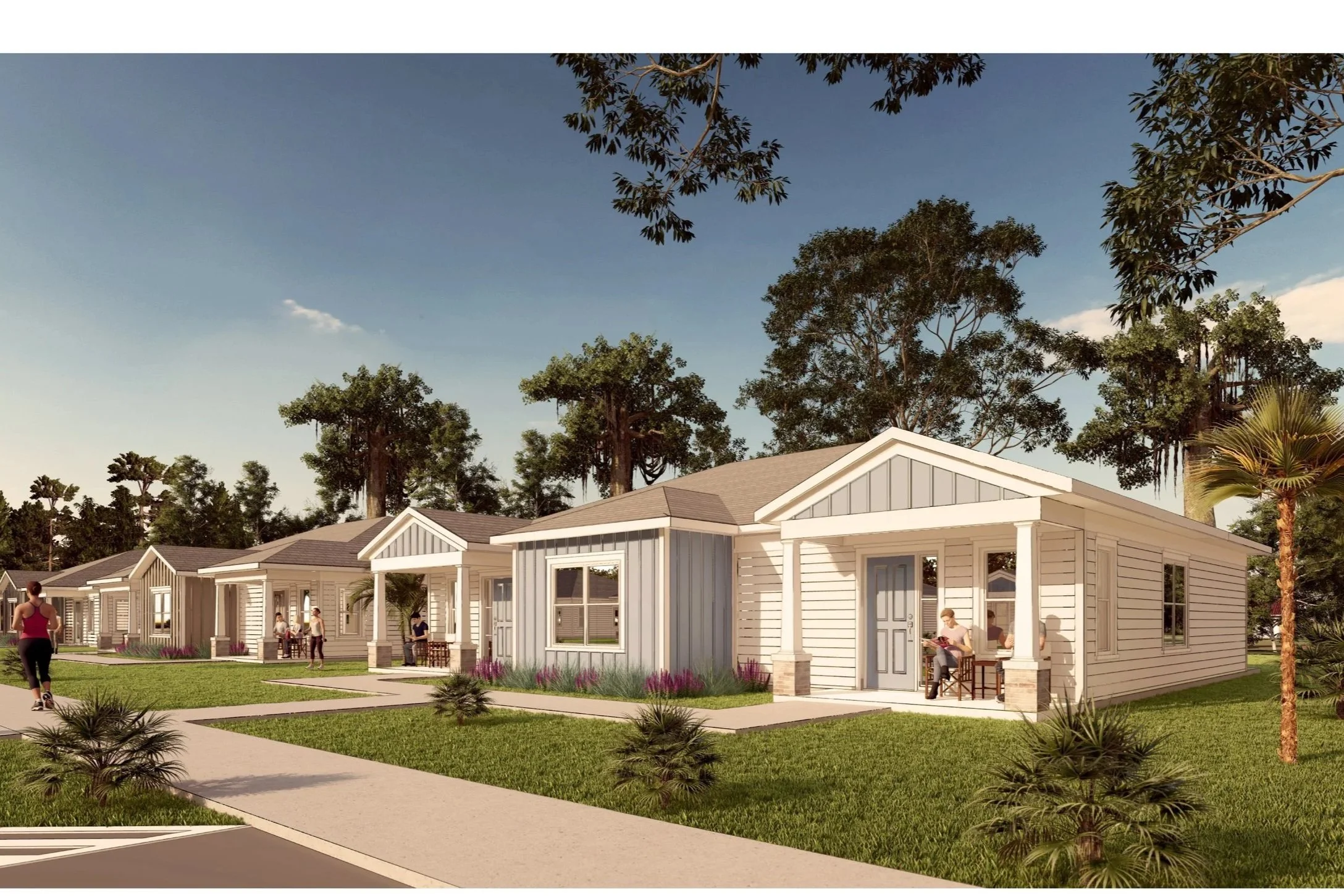
Dave’s House operates within this system through a permanent supportive housing model specifically designed for adults living with serious mental illness. Today, Dave’s House in partnership with Aspire Health Partners provides six residential homes across Orange County where residents live in a stable, supportive environment while receiving behavioral health services and life-skills support. Each home offers a safe, structured setting where individuals can regain stability, reconnect with community, and work toward greater independence. This intentionally designed environment promotes independence, connection, and long-term recovery.
Looking ahead, Dave’s House is expanding this model through the development of Dave’s House at the Seminole County Multi-Unit Residential Community. The new community will introduce a multi-unit residential design that allows more individuals to live independently while still benefiting from supportive services, shared spaces, and a nurturing environment that promotes long-term recovery. This represents a next-generation, scalable model for permanent supportive housing.
By combining stable housing with ongoing support, Dave’s House continues to demonstrate how permanent supportive housing can help individuals move from homelessness toward stability, dignity, and a renewed sense of possibility.